
A wrecking ball hangs over the desert, a coyote has had enough, and a Looney Tunes gag suddenly carries the peculiar gravity of a class-action suit. Coyote vs. Acme finds a wonderfully perverse way to honour Wile E.’s long history of spectacular failure: it treats his misery seriously just long enough for the absurdity to bloom. Dave Green’s live-action/animation hybrid is buoyant, affectionate and far smarter about persistence than its detonators-and-rocket-skates premise first suggests.
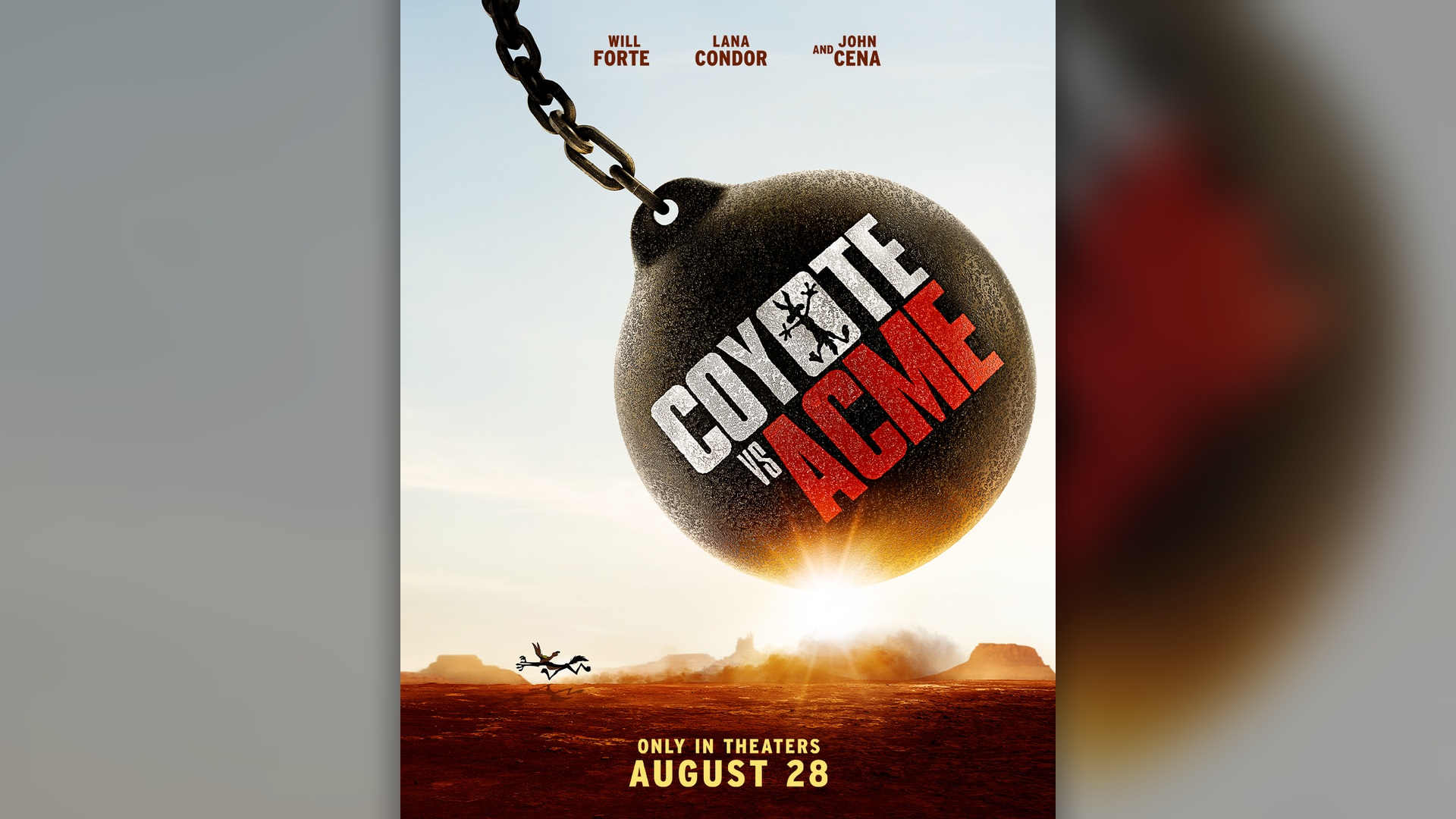
The film’s cleverest trick is making Wile E. Coyote’s losing streak feel like the start of a fight worth cheering for.
Movie at a Glance
- UK release: In cinemas from 21 August 2026
- US release: In cinemas from 28 August 2026
- Runtime: 102 minutes 47 seconds
- UK classification: PG for mild bad language, threat and injury detail
- Director: Dave Green
- Screenplay: Samy Burch
- Story: James Gunn, Jeremy Slater and Samy Burch, based on Ian Frazier’s New Yorker article
- Starring: Will Forte, John Cena, Lana Condor, P.J. Byrne, Tone Bell and Martha Kelly
- UK distributor: Altitude Film Distribution
A Courtroom Comedy With a Real Pulse
The high concept is elegantly direct: after one ACME catastrophe too many, Wile E. hires Kevin Avery, a billboard lawyer with a compromised career and an even more compromised appetite for easy settlements. The collision between an animated plaintiff who never speaks and a human attorney who cannot stop talking gives the film its comic engine. Will Forte plays Kevin with the shambolic decency that makes a man’s retreat from ambition feel funny rather than merely pathetic, while Lana Condor gives Paige the clear-eyed optimism needed to keep the human story from becoming pure sketch comedy.
John Cena, meanwhile, is used with shrewd restraint as the polished corporate antagonist. His physical certainty is redirected into poise, precision and a faintly chilling legal confidence. Green’s decision to play the courtroom stakes straight is the film’s key achievement: the more soberly it observes procedure, evidence and injury, the more elastic the Looney Tunes logic becomes.
Failure, Form and the ACME Catalogue
There is real craft in the meeting of live action and animation. The classic characters are not ornamental visitors wandering through a human world; the frame gives them weight, timing and a credible place in scenes built around eye-lines and physical reactions. Wile E.’s silence is especially potent. Rather than translate him into a chatty modern mascot, the film trusts gesture, posture and the accumulated memory of every anvil, cliff edge and faulty rocket.
The screenplay’s better passages understand that the Coyote is not funny because he fails, but because he returns to the plan after failure. That thought gives the film a surprisingly generous emotional centre. Its occasional broadness is part of the bargain — not every legal manoeuvre lands with the same snap as the visual gags — yet the picture keeps finding fresh ways to make a corporate product recall both a punchline and a bruise.
Official Image Carousel
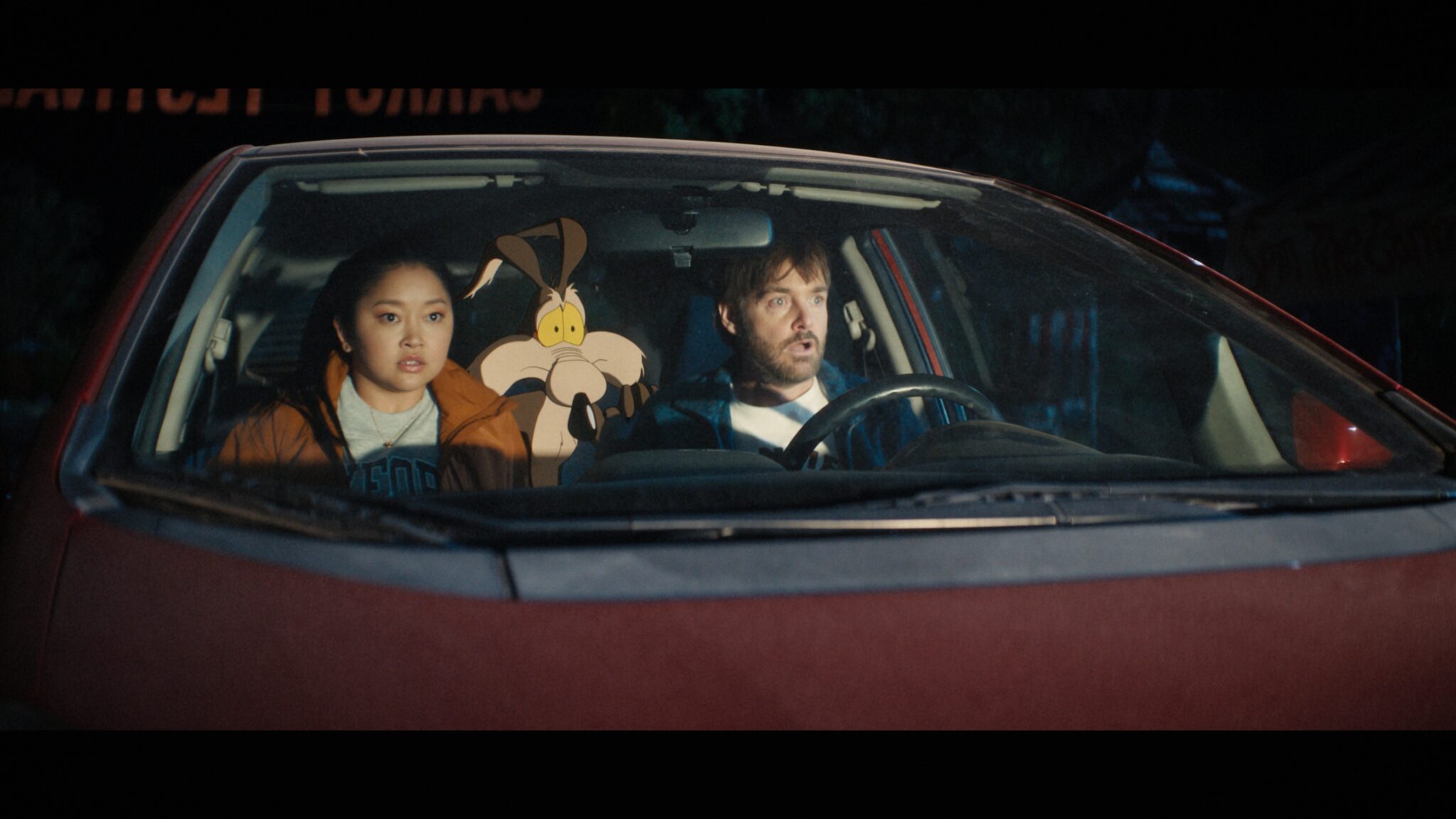
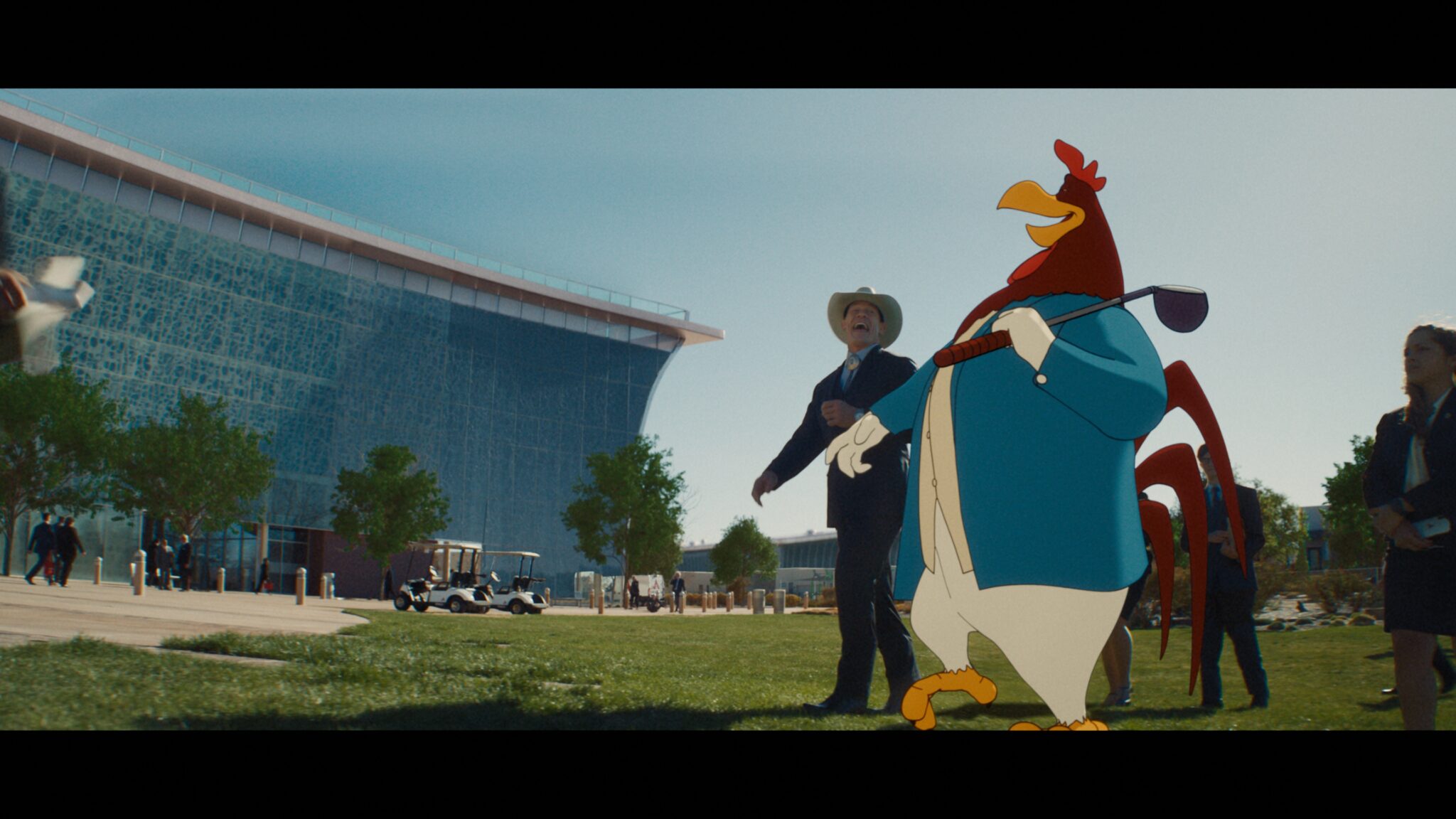
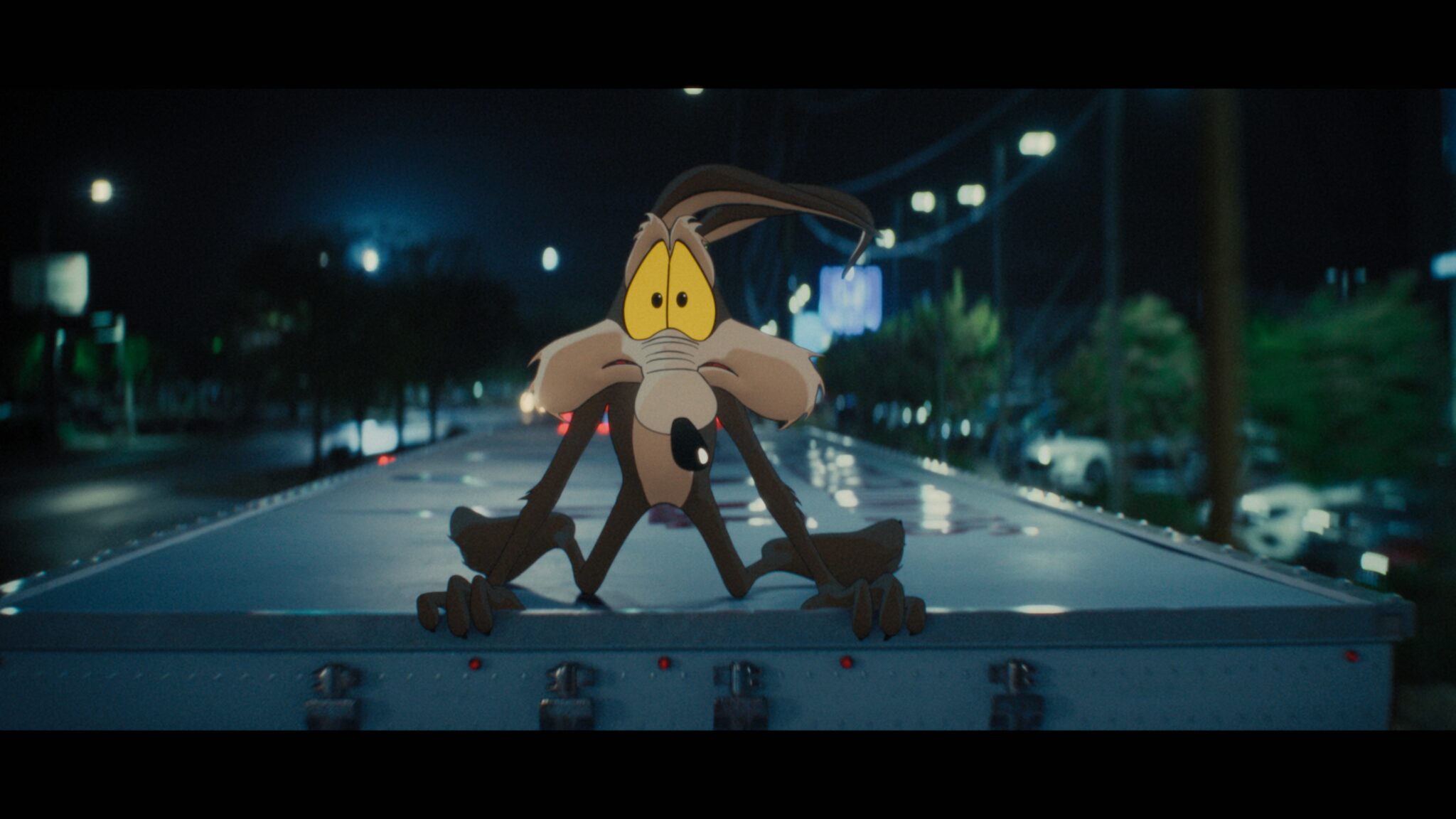
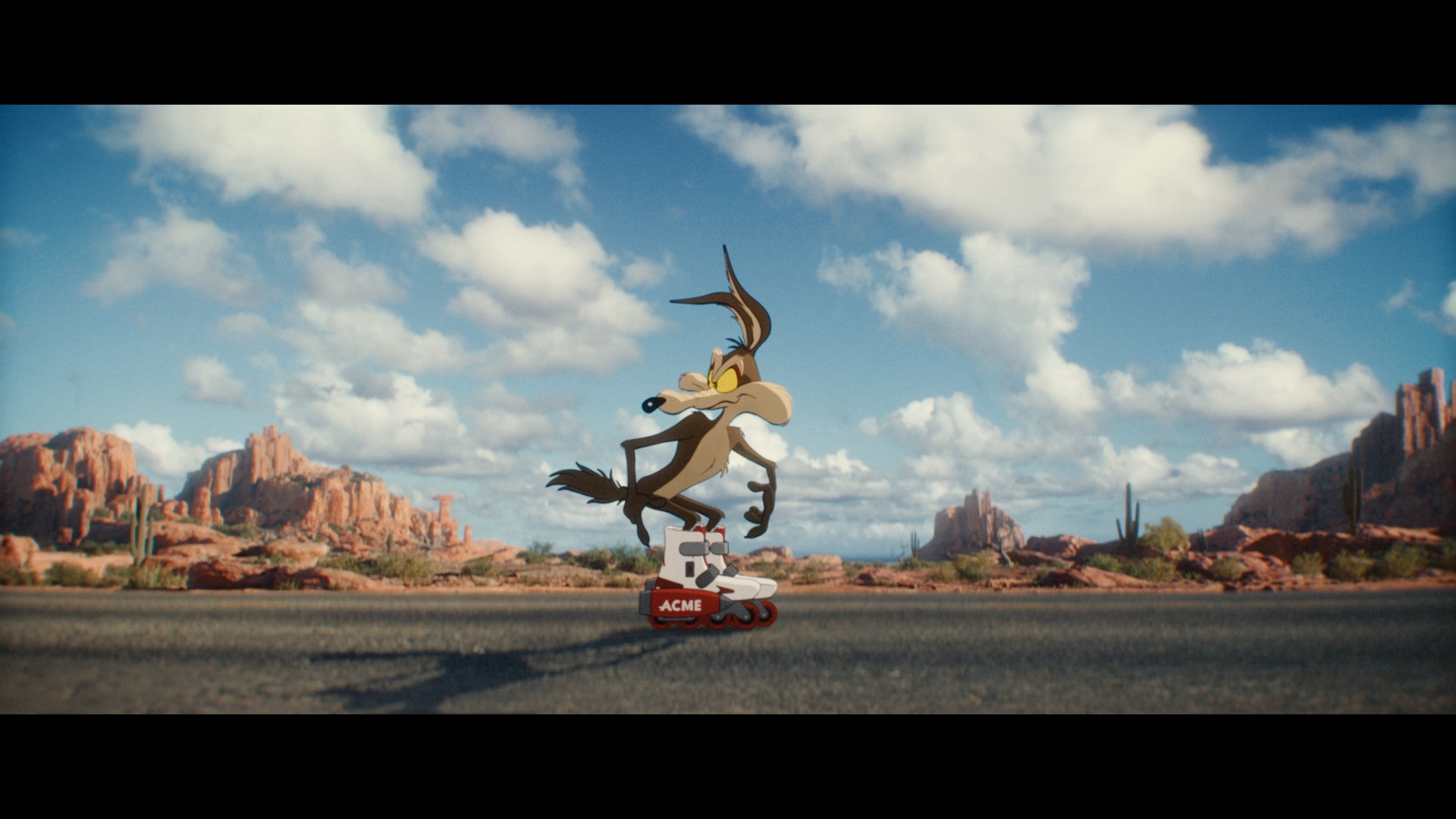
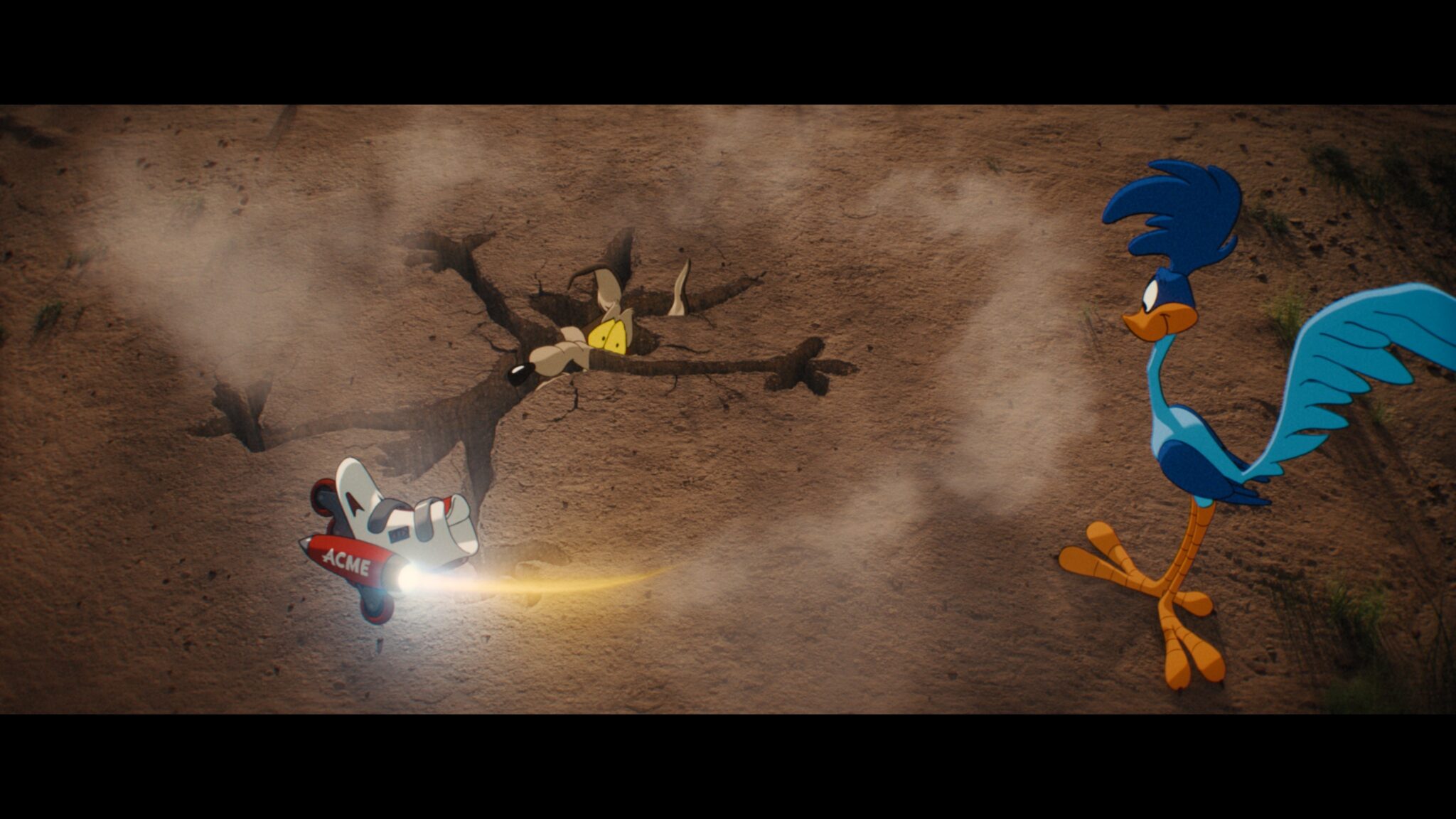
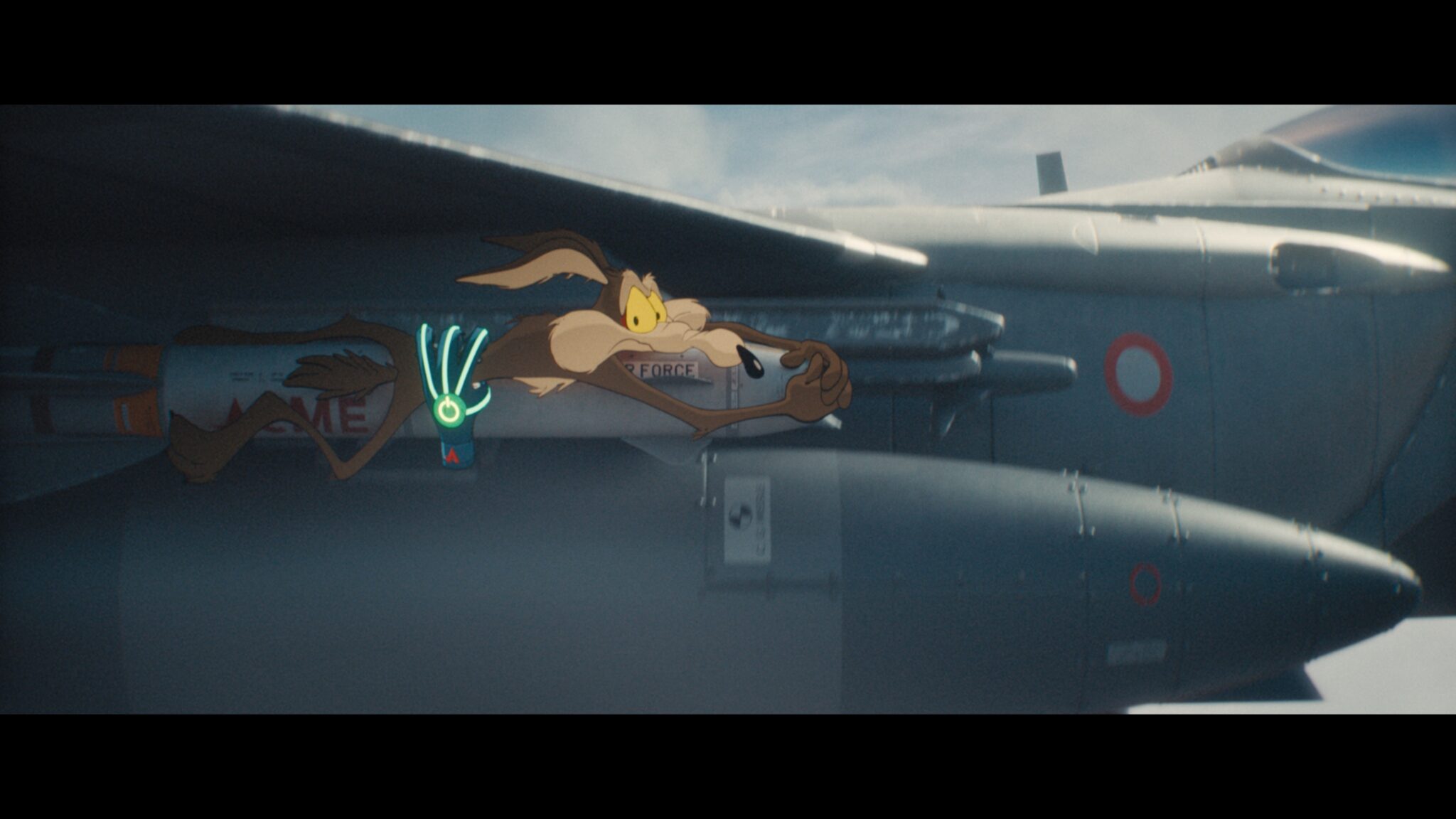
Explore the official gallery using the previous and next controls.
Spoiler-Free Verdict
- Performances: 8.5/10
- Direction: 8.5/10
- Screenplay: 8/10
- Score: 8/10
- Cinematography: 8.5/10
- Entertainment Value: 9/10
- Overall: 8.4/10
Rating: ★★★★☆
Verdict badge: Worth Seeing
Final word: A clever, jubilant Looney Tunes comeback that turns a familiar loser into an unexpectedly persuasive underdog.
Watch the Official Trailer
Watch the official trailer for Coyote vs. Acme below.
Which ACME invention would you put at the centre of Wile E. Coyote’s evidence bundle?