
In 2024 a Japanese monster film made on a fraction of a Hollywood budget walked out of the Oscars with the visual effects prize and walked into the hearts of audiences who had long since given up on Godzilla meaning anything at all. Now the man who made it is back, the Shikishimas are back, and this time the waves are coming at you in IMAX. Godzilla Minus Zero lands in the same week in Japan, the UK and North America, and it may be the most interesting blockbuster of the autumn precisely because it is not trying to be a Hollywood one.
Release at a Glance
- Film: Godzilla Minus Zero (2026)
- Writer, director and VFX supervisor: Takashi Yamazaki
- Returning stars: Ryunosuke Kamiki and Minami Hamabe
- Japan: Tuesday 3 November 2026 (TOHO)
- UK: IMAX from Tuesday 3 November; wider release from Friday 6 November 2026 (Anime Limited)
- US and Canada: Wide release from Friday 6 November 2026 (GKIDS), with IMAX early-access screenings
- UK certificate and running time: To be confirmed
Viewer Match
- Best for: Fans of grounded, emotional monster cinema who want spectacle with consequences.
- Maybe skip if: Avoid if you want wall-to-wall monster brawls rather than human drama between the set pieces.
- Expected mood and pace: Ominous, tender and thunderous; patient build-ups punctuated by enormous set pieces.
- Cinema or streaming?: See in cinemas, ideally IMAX, because this is the first Japanese film shot for the format and the sea sequences are built for a giant screen.
- Spoiler level: Spoiler-free: nothing beyond the official premise and the first film’s set-up.
Confirmed So Far
Godzilla Minus Zero is the direct follow-up to Godzilla Minus One (2023), and Takashi Yamazaki once again writes, directs and supervises the visual effects, the triple role that won him the Academy Award for Best Visual Effects. TOHO produces at its own studios, with ROBOT producing and Shirogumi handling the effects work, the same core team behind the first film.
The official synopsis picks up two years after the devastation of Minus One. Japan has been reduced to zero by the war and pushed into the minus by Godzilla, and the country has clawed its way back towards ordinary life. The London Film Festival’s description, which screened the film in October, places it in 1949 and confirms the return of former pilot Kōichi, his wife Noriko and their adopted daughter Akiko. Ryunosuke Kamiki and Minami Hamabe reprise their roles. Then something stirs at the bottom of the sea. The tagline does not mess about: “There is no third time. Everything ends here.”
The release pattern is unusual and worth celebrating. TOHO opens the film in Japan on 3 November, Godzilla Day, the anniversary of the original 1954 release. GKIDS follows with a wide North American release on 6 November, which TOHO describes as the first time a Japanese-produced Godzilla film has reached Japan and North America in the same week. In the UK, Anime Limited opens the film in IMAX from 3 November and in wider cinemas from 6 November.
Why Minus One Changed the Rules
It is easy to forget how low expectations were. The modern Western Godzilla films have their pleasures, but they treat the monster as a superhero with a fan club. Minus One went the other way. It made Godzilla frightening again, an atomic catastrophe with teeth, and it built the whole film around a man who believed he had no right to survive. The monster was the weather; the story was guilt.
That is why it connected so widely, including with audiences who would never call themselves kaiju fans. Yamazaki shot the human drama with the sincerity of a post-war melodrama and then stopped hearts with sequences such as the boat chase across open water, staged with a clarity that many bigger-budget blockbusters have forgotten how to manage. The Oscar win was the industry’s acknowledgement that craft, not cash, was the point.
So the question for Minus Zero is not whether it can be bigger. It almost certainly will be. The question is whether it can stay as personal.
The Case for a Sequel
Sequels to surprise hits usually fail for one reason: they mistake the surprise for the formula. The encouraging sign here is how much of the original creative team has stayed put, and how firmly the story is rooted in the same family. Bringing back Kōichi and Noriko means the film starts with an emotional debt already owed. We know what these people have lost and what peace cost them. A new threat lands on characters, not on a blank map.
The setting matters too. Japan in 1949 is a country in the middle of rebuilding, physically and psychologically. That is fertile ground for a story about whether recovery can ever be complete when the thing that broke you might come back. If Minus One was about surviving, Minus Zero sounds like it is about daring to live afterwards, which is a richer, sadder idea.
And then there is the format. The London Film Festival billed this as the first Japanese film to be shot for IMAX. Yamazaki’s best work has always been about scale felt from the ground: the water rising, the debris falling, the sense of a person far too small for the moment. An IMAX frame is built for exactly that kind of vertigo.
What Hollywood Should Take From This
Here is the opinion bit. Godzilla Minus Zero is arriving in a season full of enormous franchise films, several of them with budgets that would fund a small country’s film industry. Yet the most anticipated monster movie of the autumn comes from a studio that keeps its effects team in-house, keeps its director as his own VFX supervisor and keeps its story on a human scale.
That is not an argument against blockbusters. It is an argument for authorship within them. Minus One worked because one person’s vision ran from the script to the final composite, and nobody had to sand it down for a four-quadrant test screening. If Minus Zero lands, it will be the strongest evidence yet that audiences in the UK and US are hungry for event films with a point of view, subtitles and all.
Watch the Trailer
Official Trailer 2 is the best way to get a feel for what Yamazaki is building: the family at the centre, the 1949 setting and a sea that looks hostile in every frame. For our closer look at the trailer itself, see our Godzilla Minus Zero Trailer 2 Trailer Drop. In the UK, IMAX early screenings begin on 3 November, with the film opening in cinemas nationwide on 6 November.
What to Look For
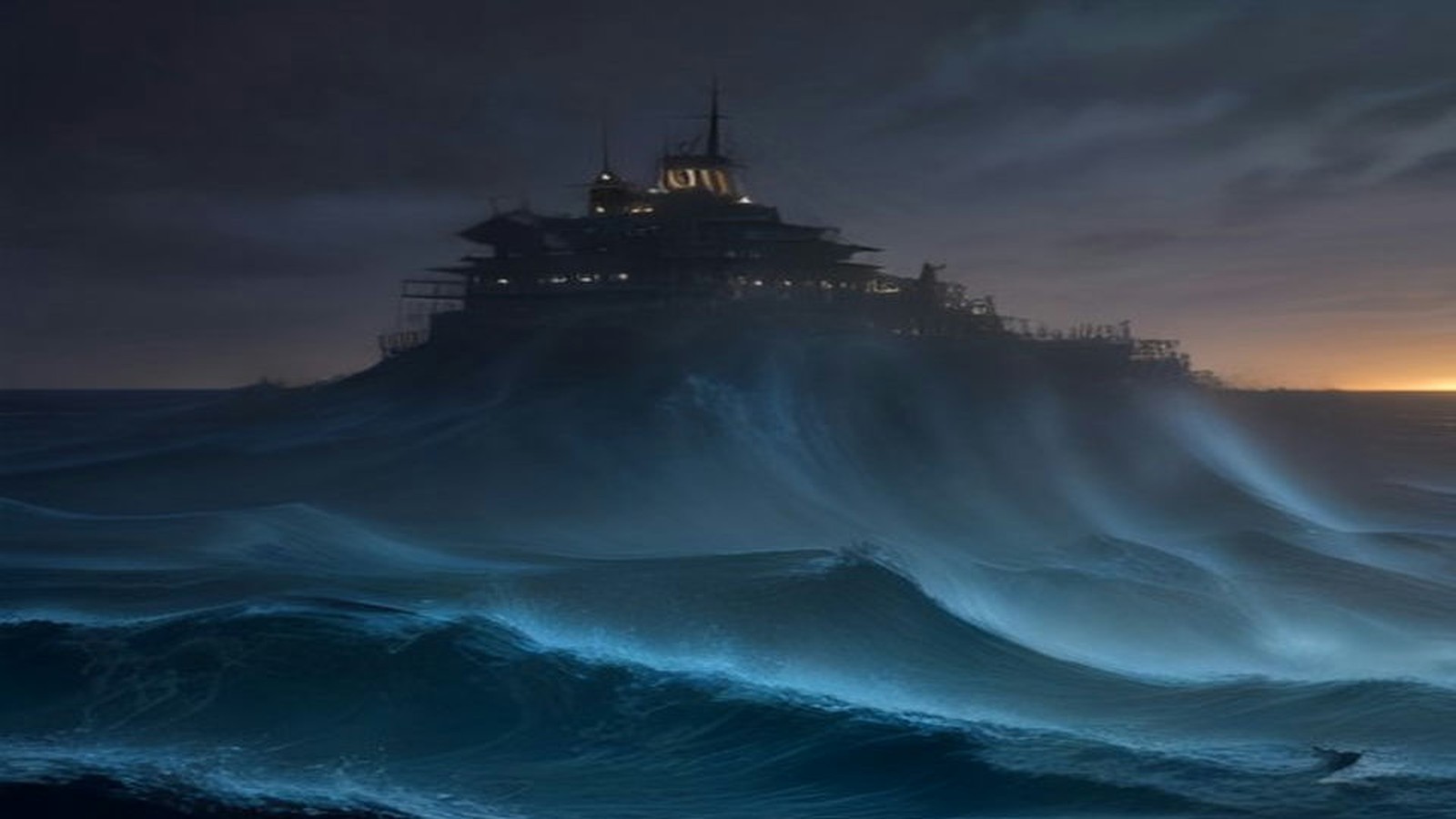
Watch how Yamazaki handles the sea. The marketing leans heavily on the deep, and the first film’s best sequences took place on water. Expect him to use the IMAX frame to make the ocean itself feel hostile.
Look for the family at the centre. If the film keeps Kōichi, Noriko and Akiko at the heart of the story rather than turning them into witnesses, it will have kept the first film’s soul.
Listen out, too. The original film’s sound design made every footstep feel like an earthquake, and a premium-format screen with a strong sound system is where that pays off. Finally, notice the sense of time and place. The 1949 setting is not decoration; it is the theme.
Spoiler-Free Preview Verdict
Godzilla Minus Zero looks like the rare sequel with a reason to exist: the same filmmaker, the same family and a bigger canvas used for feeling rather than noise. Book IMAX if you can, go in knowing as little as possible and give the human story the same attention as the monster. If Yamazaki delivers again, this will be the blockbuster of the autumn that people are still recommending at Christmas.
Are you booking IMAX for Godzilla Minus Zero, and can it really top Minus One? Tell us below.