
The most dangerous thing in Verity is a story that knows exactly what its reader wants to believe. Michael Showalter’s adaptation of Colleen Hoover’s novel builds its attraction around that uncertainty: a writer enters a secluded family home, finds a manuscript that appears to expose its secrets, and gradually loses the ability to tell revelation from manipulation. It is an irresistible thriller premise, even when the film’s taste for heightened romance threatens to soften its sharper psychological edge.
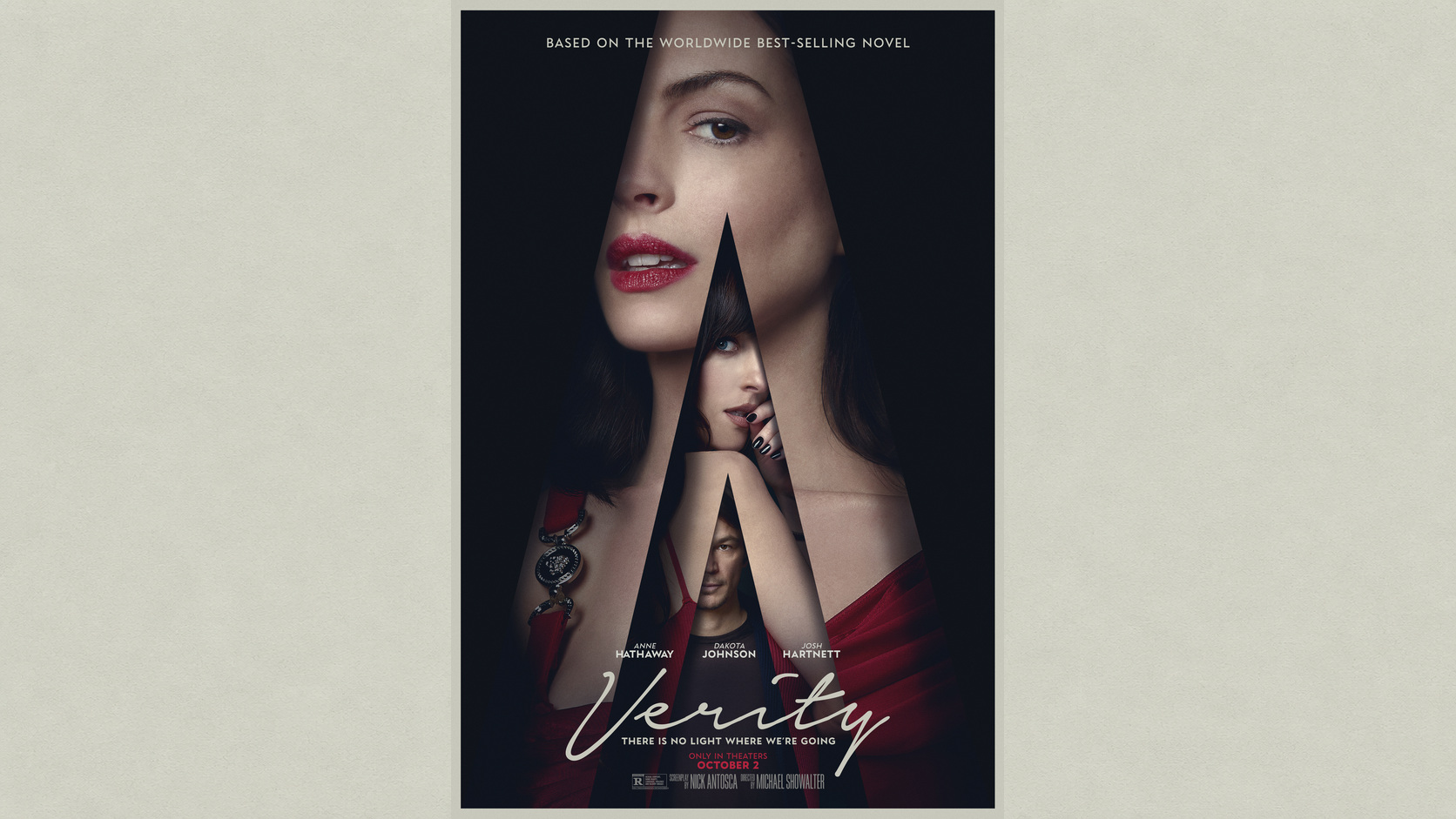
Verity’s best trick is making every apparent confession feel like another attempt to seize control of the narrative.
Movie at a Glance
- UK cinemas: 2 October 2026
- US cinemas: 2 October 2026
- Runtime: 117 minutes
- Director: Michael Showalter
- Screenplay: Nick Antosca and Colleen Hoover
- Starring: Dakota Johnson, Anne Hathaway and Josh Hartnett
- UK distributor: Columbia Pictures Corporation Ltd.
Viewer Match
- Best for: viewers drawn to seductive mysteries, unreliable accounts and star-led psychological thrillers.
- Maybe skip if: strong sex, violence or threats involving children are difficult viewing.
- Mood and pace: glossy, uneasy and increasingly feverish.
- Cinema or streaming? The performances and large-screen atmosphere favour a cinema viewing.
- Spoiler level: The major reversals are kept under wraps.
A story about who gets believed
Dakota Johnson’s Lowen Ashleigh is hired to finish a bestselling series for Verity Crawford, the injured author played by Anne Hathaway. The job takes Lowen into the Crawford household and close to Verity’s husband Jeremy, played by Josh Hartnett. A private manuscript appears to offer a dreadful explanation for the family’s history. The premise keeps turning one question over: when a person writes about themselves, is the page evidence, performance or a trap?
That question gives Verity more to work with than its lurid plot mechanics alone. Lowen is a writer invited to occupy another writer’s voice. Her professional task becomes inseparable from her appetite for certainty and her attraction to Jeremy. The manuscript seems to promise an answer, but the film’s real tension lies in how eagerly people turn an account into a verdict when it confirms what they already fear or desire.
The power of the three leads
The central casting gives the material its strongest immediate appeal. Johnson’s watchful reserve suits a character who must read a room before she can read its secrets. Hathaway brings the force of a star presence to Verity even when the character’s condition limits how she can communicate. Hartnett makes Jeremy the unstable point between them: a grieving husband, a generous employer and a romantic possibility whose account of the household deserves scrutiny.
The danger is that this triangle can become a set of striking poses if the screenplay asks the mystery to do too much of the character work. Verity is most compelling when attraction and suspicion occupy the same moment. It is less persuasive whenever an ominous revelation seems designed only to move Lowen towards the next shock.
Official Stills Gallery
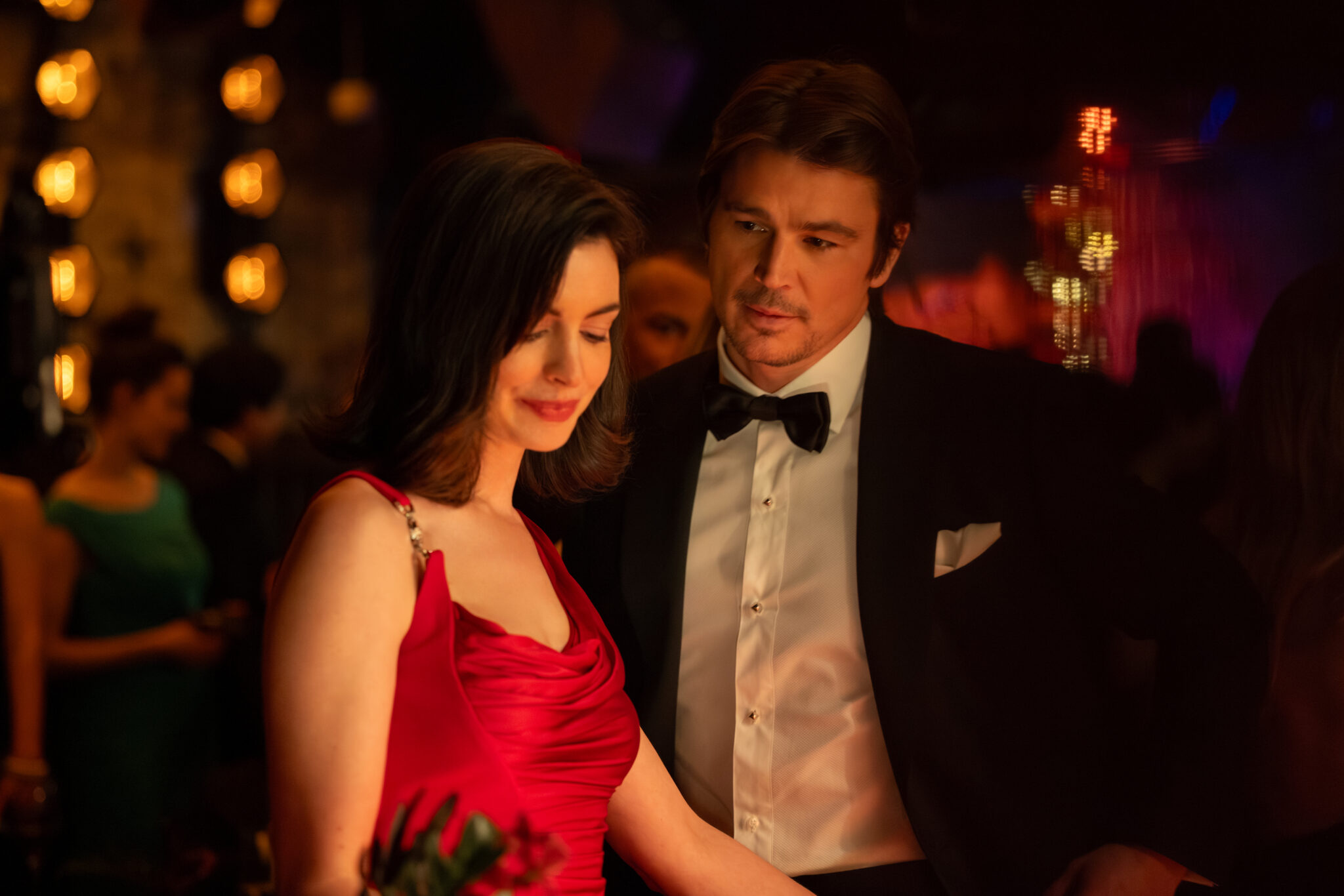
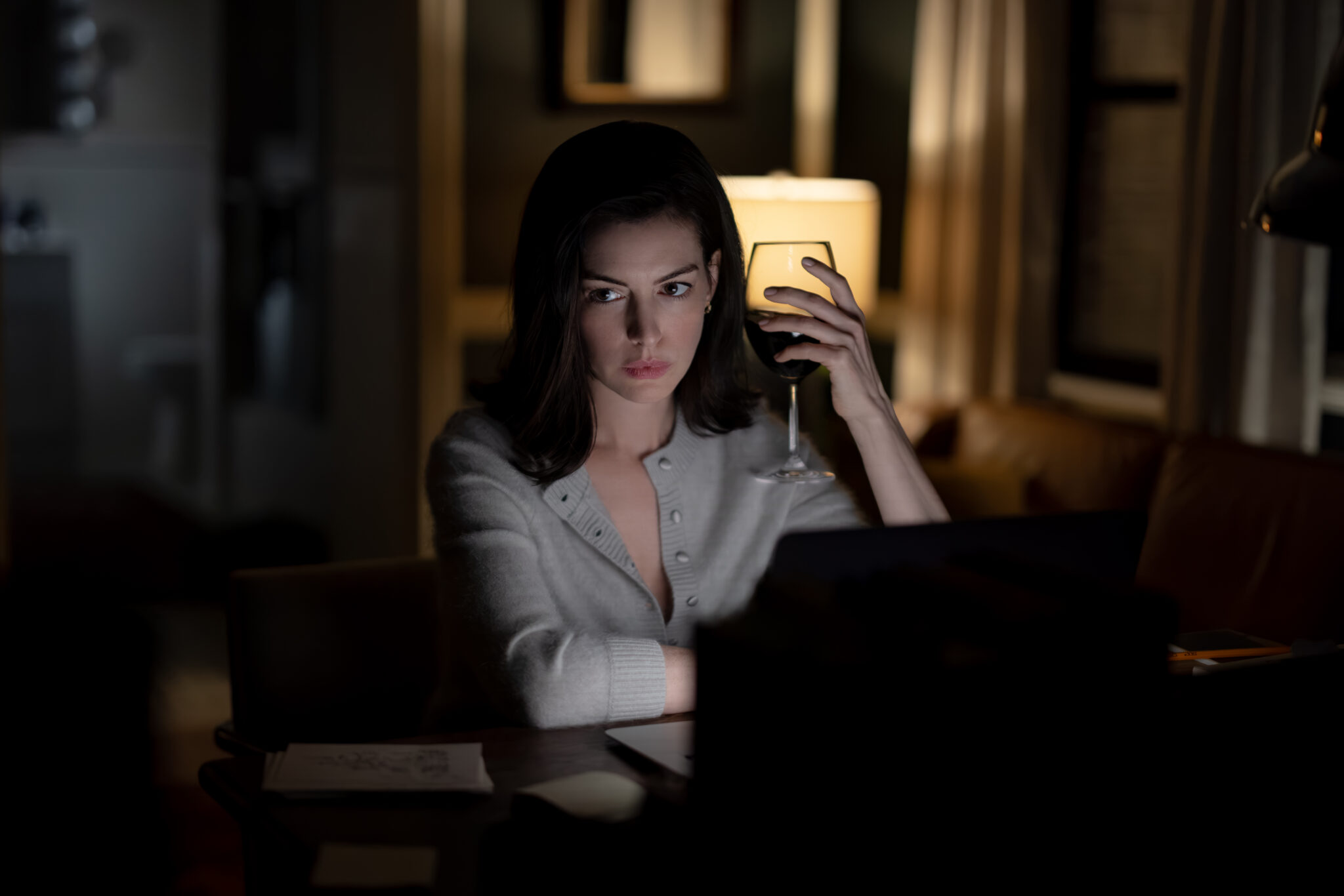
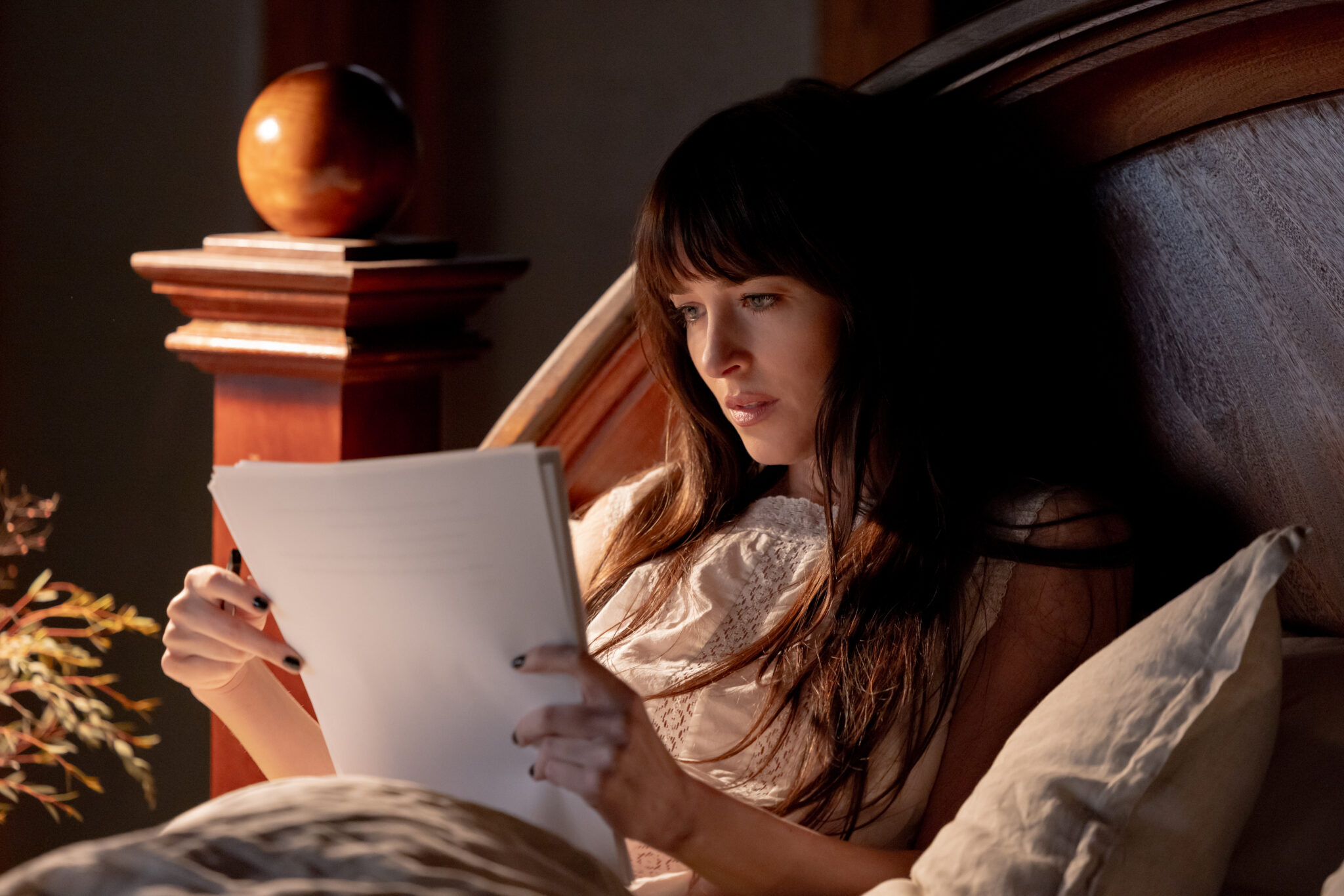
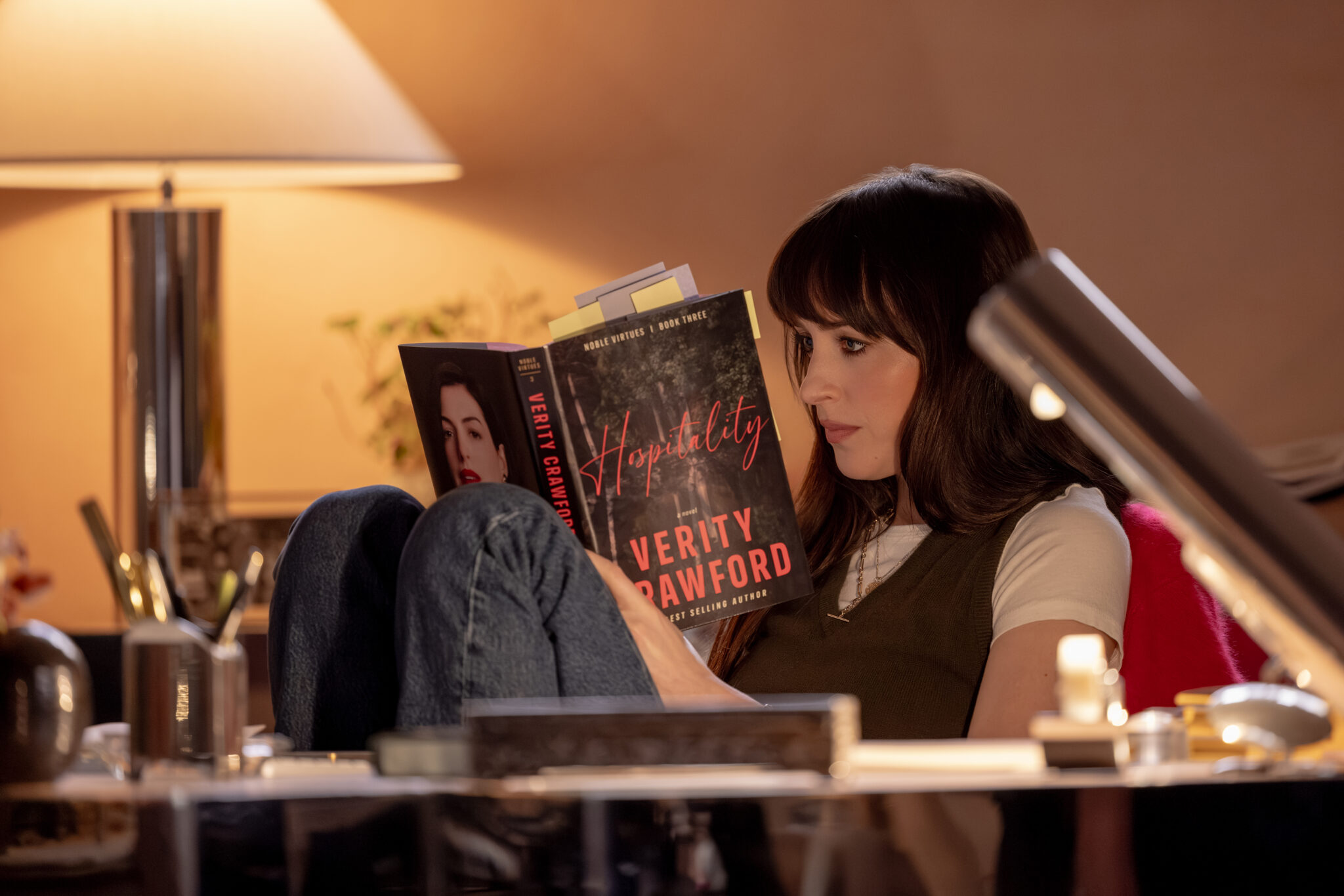
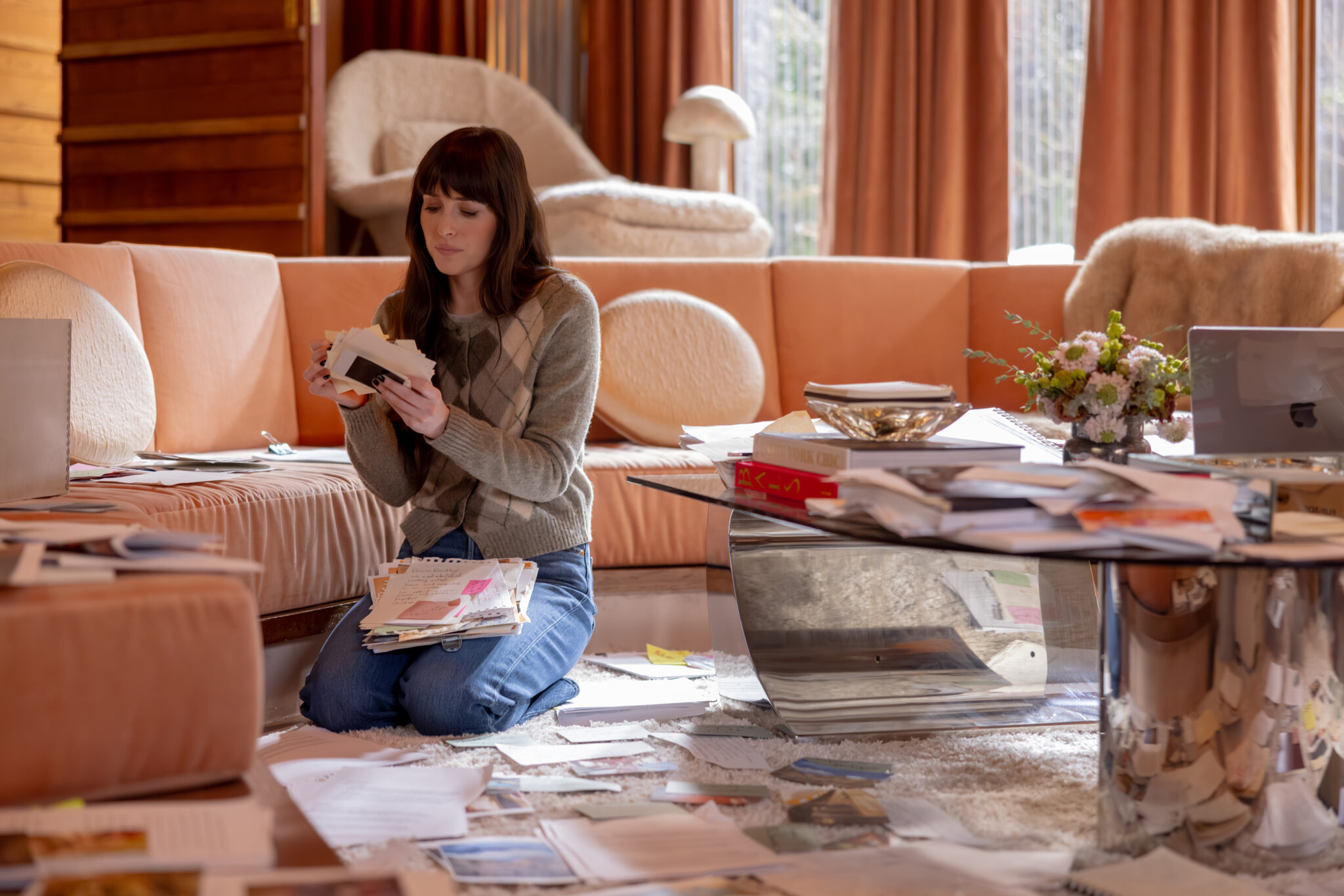
Explore the official gallery using the previous and next controls.
An elegant house with no safe room
The Crawford estate is an apt setting for this kind of suspense. Its isolation makes every corridor and closed door feel consequential, while its luxury suggests how wealth can protect a family’s preferred version of events. Showalter’s direction has a clear visual proposition: a beautiful space can become oppressive when the person exploring it cannot trust what she sees.
The adaptation faces a familiar problem. The novel’s power depends heavily on the private experience of reading and imagining. On screen, a manuscript has to compete with faces, bodies and a physical house. The most interesting cinematic approach keeps those forms of evidence in conflict, allowing Hathaway’s presence to challenge whatever the written pages claim. When the film leans into that tension, the story feels more troubling than a conventional sequence of clues and reversals.
Inside Verity’s Closet
The official featurette offers a closer look at the film’s character and costume choices without requiring the story’s central secrets to be disclosed.
Where the spell strains
Verity deliberately trades in excess: sex, fear, grief and suspicion are all pushed towards melodrama. That can be pleasurable in a thriller willing to admit its pulpy instincts. It can also narrow the emotional range. At nearly two hours, a story built around doubt needs more than another alarming discovery to keep uncertainty alive. Its strongest idea is whether the audience has been looking through the wrong person’s eyes.
The result is a film with a seductive central mechanism and a formidable trio of performers, yet one whose impact depends on how successfully its shocks serve that deeper question about authorship and trust. Viewers seeking a sleek, adult mystery should find plenty to discuss. Those hoping for a tightly controlled psychological study may find its more extravagant turns harder to accept.
Spoiler-Free Verdict
- Performances: 7.5/10
- Direction: 7/10
- Screenplay: 6/10
- Score: 6.5/10
- Cinematography: 7/10
- Entertainment Value: 7/10
- Overall: 6.5/10
Star rating: 3/5
Verdict badge: Stream It
Verdict: A glossy, provocative thriller with a potent central question and an appealing cast, though its appetite for sensation risks overpowering its psychological bite.
Watch the Official Trailer
The official trailer introduces Lowen’s arrival at the Crawford estate and the manuscript that unsettles everything she thinks she knows.
Did Verity keep you questioning its characters, or did you settle on an explanation early? Share your spoiler-free take below.