
News Special · Thursday 29 October 2026
From a working-class home in Mirfield to the bridge of the Enterprise, Sir Patrick Stewart gave the stage and the screen more than 60 years of grace, wit and conviction. He has died aged 86.
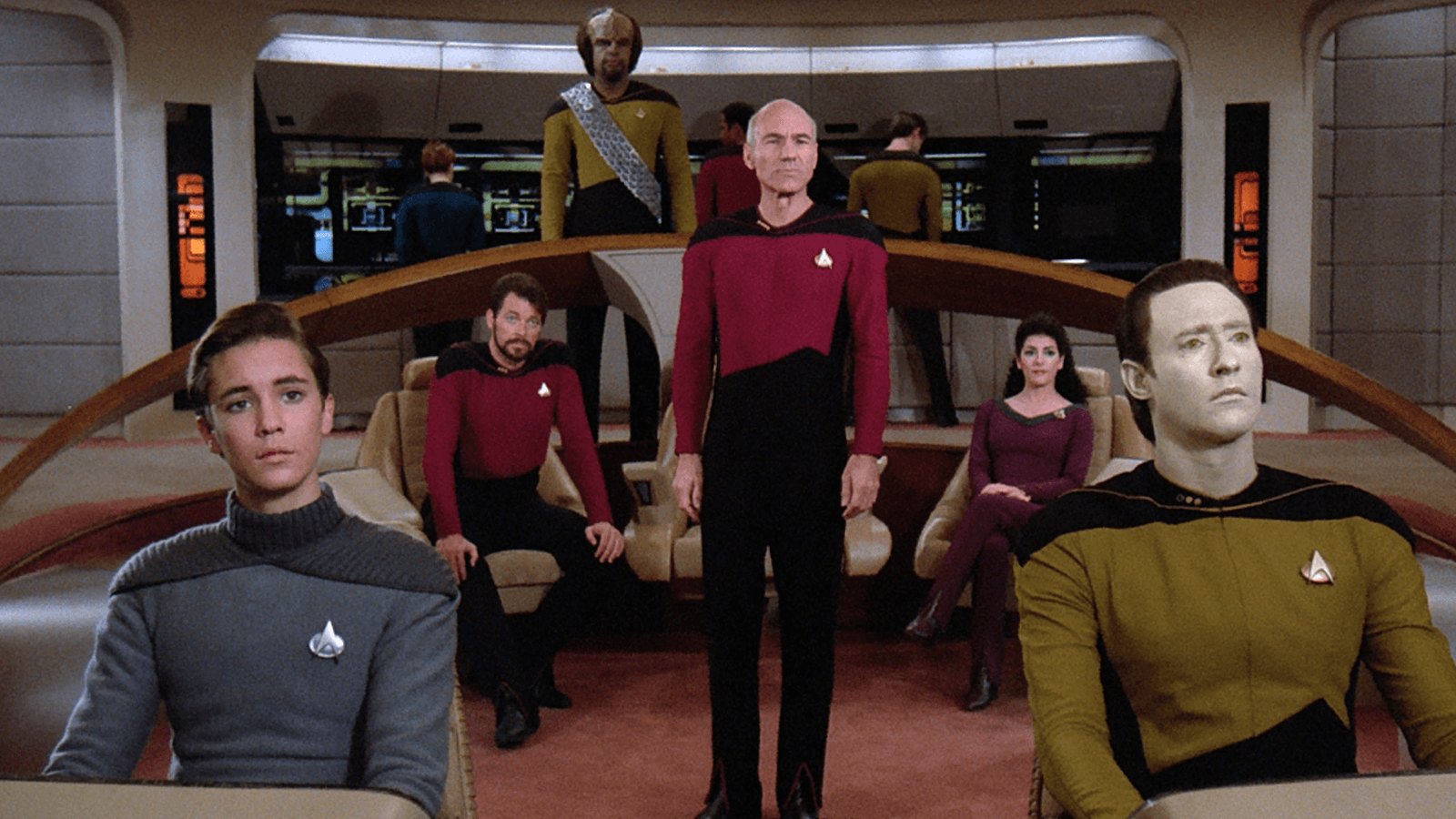
Sir Patrick Stewart has died at the age of 86. The actor who gave the world Captain Jean-Luc Picard and Professor Charles Xavier died on Wednesday 28 October at his home in Los Angeles, his family announced on his official social media accounts on Thursday.
The family statement, issued through his longtime spokesperson Kelly Bush Novak, said he died “in the loving care of his beloved wife Sunny, following a brief and poignant journey with Alzheimer’s Disease and Lewy Body Dementia”. It ended with the words: “We will forever cherish the peaceful ease and reflection on his face, an enduring reminder of his invincible grace.” The news was reported by AP, the BBC, Deadline and The Hollywood Reporter.
For millions of us he was simply the Captain. For theatregoers he was one of the finest Shakespearean actors of his generation. And for the people of West Yorkshire he was always one of their own.
A Yorkshire boy and a copy of Shakespeare
Patrick Stewart was born on 13 July 1940 in Mirfield, in the West Riding of Yorkshire, the son of Gladys, a weaver, and Alfred, a regimental sergeant major in the Parachute Regiment. It was not an easy home. He later spoke openly about the violence he witnessed as a child, and about the wartime trauma his father carried back from Dunkirk.
He always credited an English teacher, Cecil Dormand, who put a copy of Shakespeare in his hand and told him to stand up and perform. He left school at 15, worked as a reporter on a local paper and in a furniture shop, and kept acting whenever he could. A grant took him to the Bristol Old Vic Theatre School, and he made his professional stage debut in Bristol in 1959.
In 1966 he joined the Royal Shakespeare Company, and he stayed until 1982, appearing in more than 60 productions. He won his first Laurence Olivier Award in 1979, for Antony and Cleopatra. On television he was Sejanus in I, Claudius and the Soviet spymaster Karla in Tinker Tailor Soldier Spy, and on film he turned up in Excalibur and as Gurney Halleck in David Lynch’s Dune.
Captain Jean-Luc Picard
In 1987 the Star Trek producer Robert Justman saw him at a reading at UCLA, and an actor the Los Angeles Times called an “unknown British Shakespearean actor” was cast as the captain of the USS Enterprise in Star Trek: The Next Generation. He was so sure the show would fail that he lived out of a suitcase. It ran for seven seasons, from 1987 to 1994.
Picard was a new kind of Star Trek hero: a diplomat, an archaeologist and a reader of Shakespeare who would rather talk than fight, and who carried his authority without ever raising his voice. Episodes such as “The Inner Light”, in which his own son Daniel played Picard’s son, showed how much feeling he could bring to science fiction. His castmates said his preparation and professionalism set the standard for the whole company.
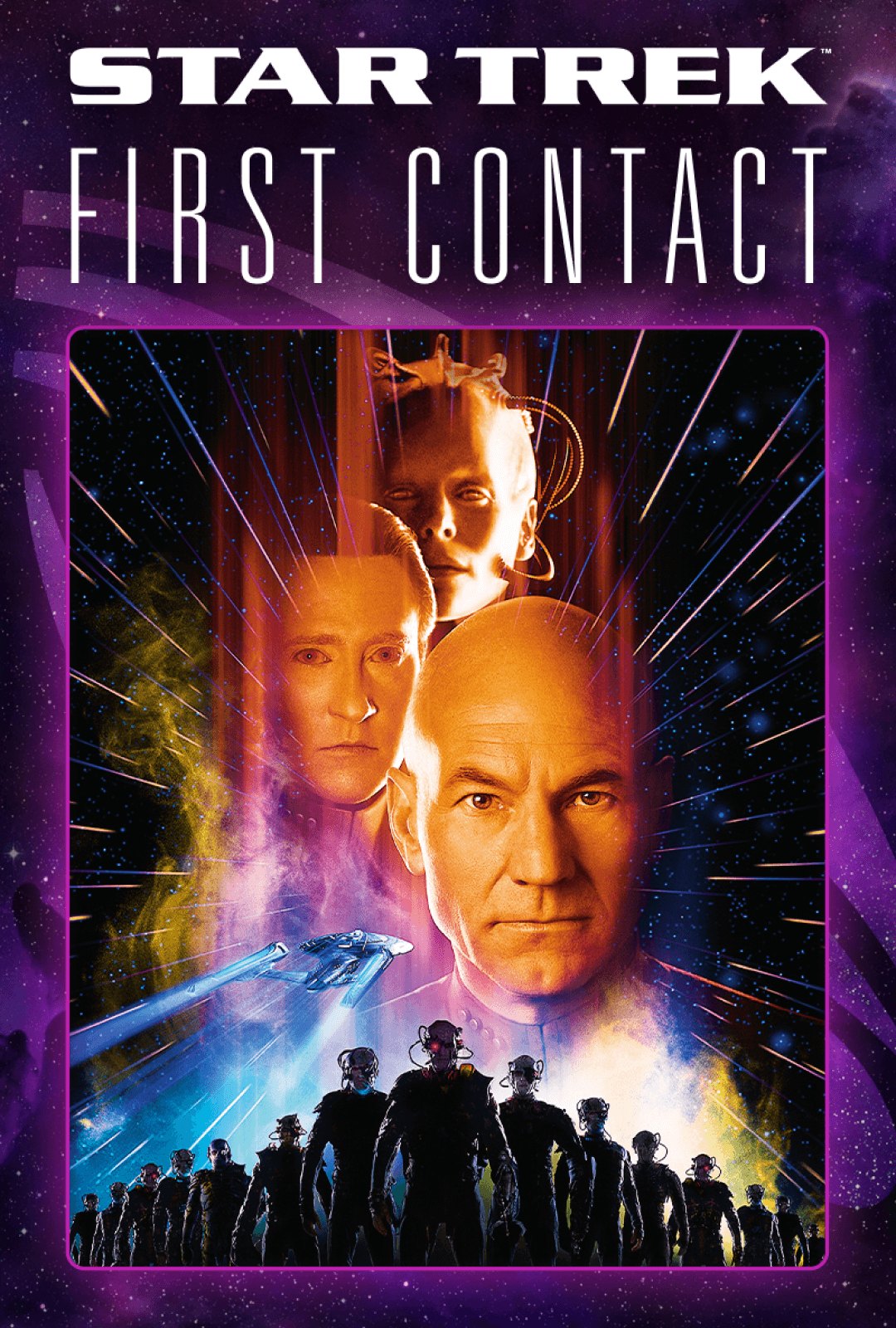
He took Picard to the cinema in four films: Star Trek Generations (1994), Star Trek: First Contact (1996), Star Trek: Insurrection (1998) and Star Trek: Nemesis (2002). First Contact, with its Borg and its fury, remains for many fans the finest Star Trek film of them all. He once said that all his years with the RSC, playing kings, emperors and princes, were “nothing but preparation for sitting in the captain’s chair of the Enterprise”.
Engage, one last time
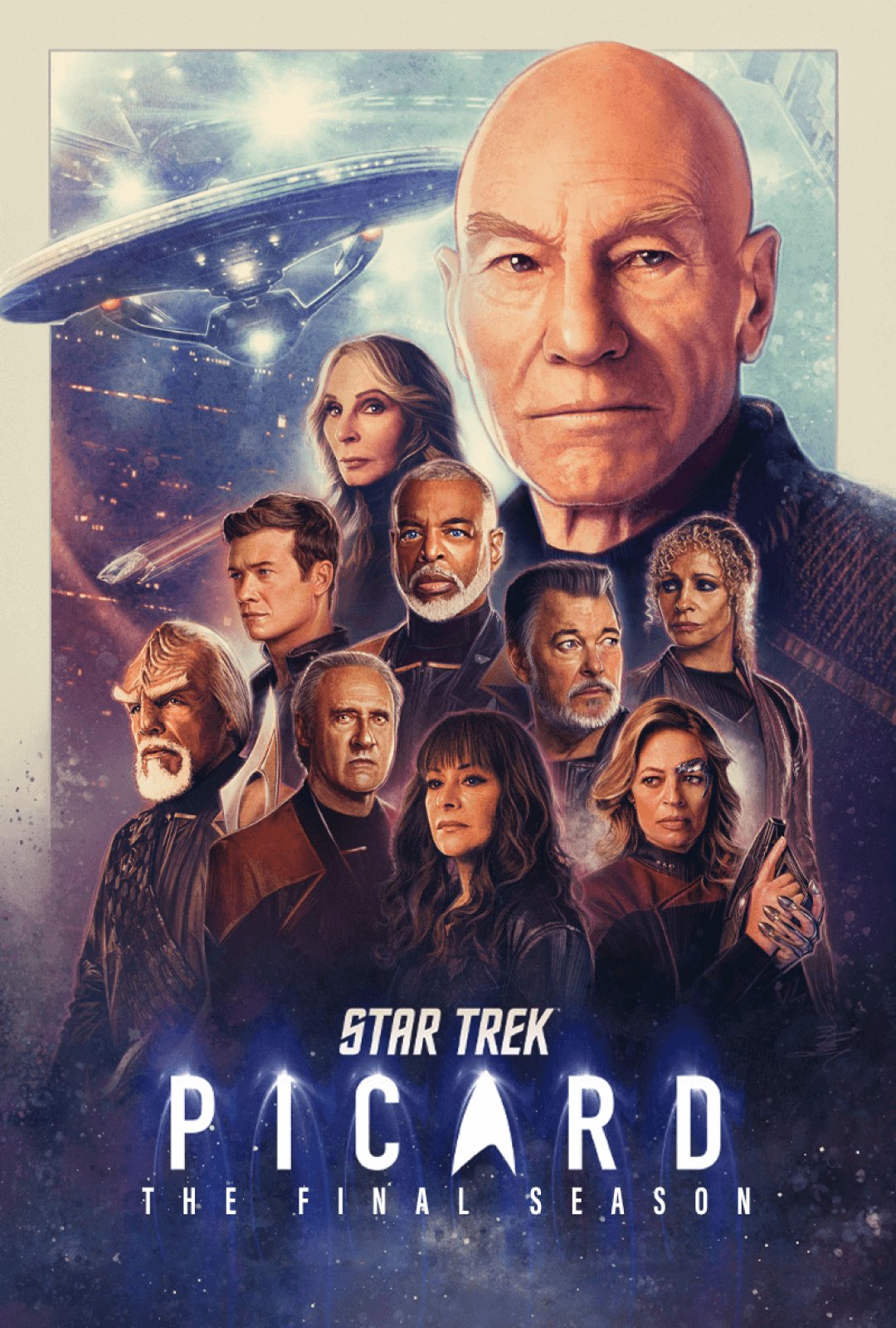
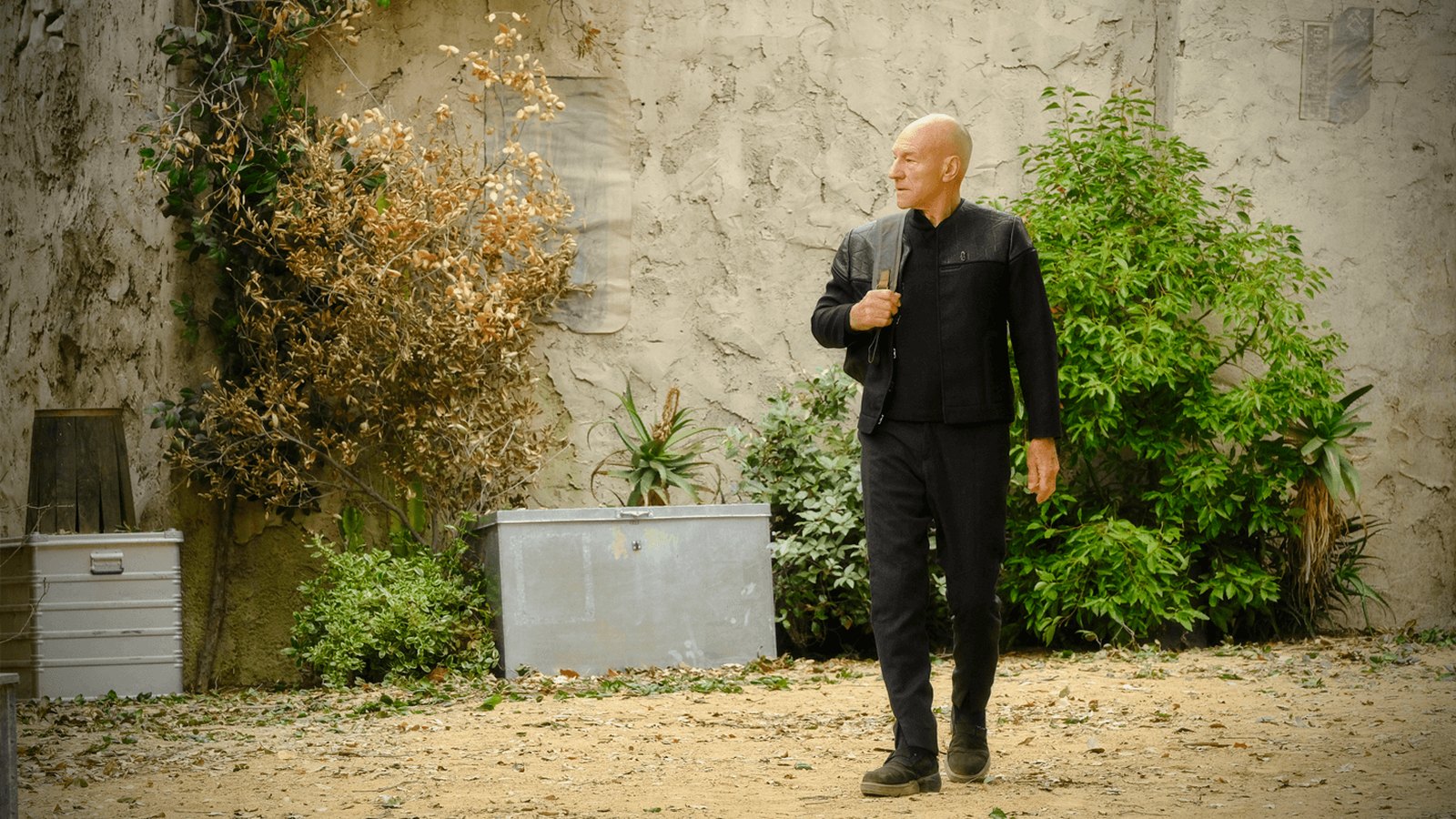
Nearly two decades after Nemesis, he surprised everyone by going back. Star Trek: Picard ran for three seasons, from 2020 to 2023, and found an older, wiser Jean-Luc wrestling with regret and loss. Its final season brought the Next Generation crew back together on the bridge, and gave Picard and his friends the send-off they had always deserved.
Professor Charles Xavier
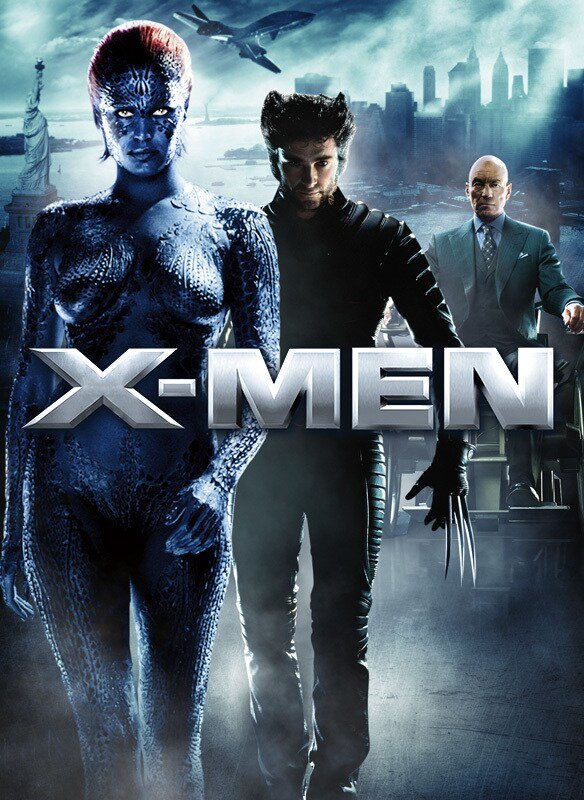
In 2000 he became Professor Charles Xavier, the founder and conscience of the X-Men, in Bryan Singer’s X-Men. Across the series he shared the screen with his great friend Sir Ian McKellen, whose Magneto was Xavier’s friend and rival, and the two made the films’ central argument about tolerance feel personal.
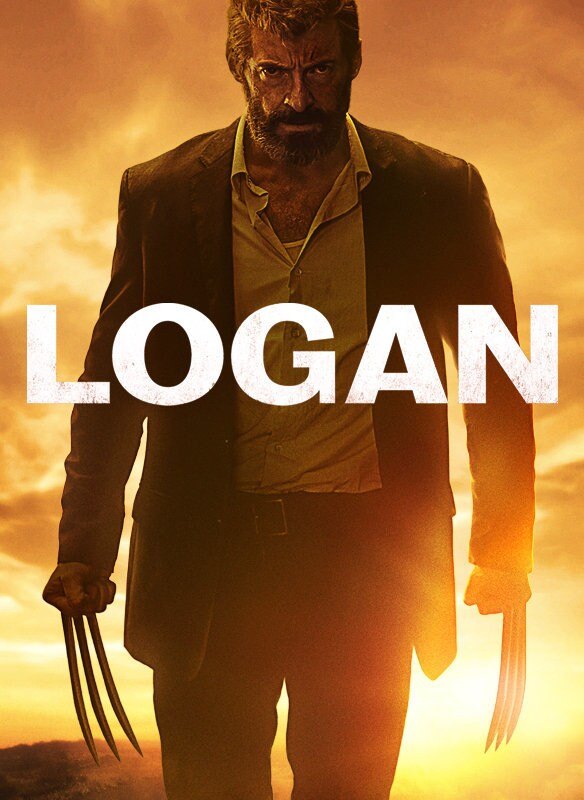
He played Xavier in X2, X-Men: The Last Stand, X-Men: Days of Future Past and more, and said goodbye in James Mangold’s Logan (2017), a frail, funny and heartbreaking performance opposite Hugh Jackman. In 2022 he returned as an alternate Xavier in Doctor Strange in the Multiverse of Madness, and in 2025 Marvel Studios named him in the cast of Avengers: Doomsday.
The stage, always the stage
Television fame never pulled him away from the theatre for long. He wrote and performed a one-man A Christmas Carol in which he played more than 40 characters, took it to Broadway in 1991 and won an Olivier Award for it in 1994. He later played Scrooge on screen too, in a 1999 television film.
He was a towering Macbeth in 2007, and in 2008 he played Claudius opposite David Tennant’s Hamlet for the RSC, winning his second Olivier Award. In 2009 he and Sir Ian McKellen played Vladimir and Estragon in Waiting for Godot in the West End, fulfilling an ambition he had held since seeing Peter O’Toole in the play as a teenager in Bristol. The pair took Godot and Harold Pinter’s No Man’s Land to Broadway, and their photographs of each other as tourists in bowler hats around New York charmed the world.
A career full of surprises
He could do almost anything. He was Captain Ahab in Moby Dick (1998), Henry II in The Lion in Winter (2003), King Richard in Mel Brooks’s Robin Hood: Men in Tights, a gloriously funny version of himself in Ricky Gervais’s Extras, the narrator of Ted and the CIA deputy director Avery Bullock in American Dad! He was a chilling neo-Nazi club owner in Green Room (2015) and the lead of the sitcom Blunt Talk. He even won a Grammy, for narrating Prokofiev’s Peter and the Wolf.
In 2023 he told his own story in his memoir, Making It So.
Sir Patrick
He was appointed OBE in 2001, and in the 2010 New Year Honours he was knighted for services to drama, receiving the honour from Queen Elizabeth II at Buckingham Palace that June. He was Chancellor of the University of Huddersfield from 2004 to 2015, and a university building now bears his name.
And he never stopped being a Huddersfield Town fan. He was at Wembley in 2017 when the Terriers won promotion to the top flight for the first time since 1972, and from 2010 he was president of the club’s academy.
Making it so, off screen
He used his fame for others. Shaped by what he saw as a boy, he became a patron of Refuge, the charity for women and children experiencing domestic violence, and spoke out for Amnesty International. After learning about his father’s post-traumatic stress, he supported the veterans’ charity Combat Stress. In 2019 he spoke for the International Rescue Committee on behalf of refugees.
Many fans will also remember him for the rescue pit bulls he fostered through a Los Angeles dog rescue, shared with delight on social media. The ASPCA gave him its Pit Bull Advocate and Protector Award in 2021.
The Captain’s chair
Patrick Stewart once said he had no idea where Picard began and he ended. Perhaps that is why the character meant so much. Picard was decent, curious, principled and brave, and so, by every account, was the man who played him.
He leaves his wife, Sunny, his children, Daniel and Sophia, his friends and colleagues, and fans across the galaxy. Our thoughts are with them all tonight.
Thank you, Sir Patrick. The chair is empty, but the voyage goes on.
Sir Patrick Stewart, 13 July 1940 – 28 October 2026.
Sources: the Stewart family statement, AP, BBC News, Deadline and The Hollywood Reporter.
What is your favourite Patrick Stewart moment, on the Enterprise, with the X-Men or on stage? Share your memories below.